
Terpenes Explained: How Myrcene, Limonene & Pinene Shape Your Experience
Terpenes are the aromatic compounds behind cannabis's smell and a big part of why two strains with similar THC can feel completely different. Here is what the major terpenes do and how to read a terpene panel.
Walk into any well-run dispensary and you will notice that two strains with nearly identical THC numbers can smell entirely different, and often feel different too. One is bright and citrusy, another is earthy and almost sleepy, a third has a sharp pine snap that seems to wake you up. That difference is largely the work of terpenes, the aromatic compounds that give cannabis, and most plants, their scent. Understanding terpenes is one of the most practical upgrades you can make to how you choose a product, because aroma is a clue you can actually use at the counter.
What terpenes actually are
Terpenes are a large family of organic compounds produced by plants, fungi, and even some insects. In cannabis they are made in the same sticky trichomes, the frosty crystals on the flower, that produce cannabinoids like THC and CBD. Botanically, terpenes help the plant survive: some repel pests, some attract pollinators, and some may protect against heat and UV. The plant did not evolve them for us. We just happen to find their aromas useful, and increasingly, interesting from a wellness standpoint.
There are more than a hundred terpenes identified in cannabis, but only a handful show up in concentrations high enough to shape aroma and, potentially, effect. Those are the ones worth learning. The same molecules appear throughout your kitchen and garden, which is why a strain can smell distinctly like lemon peel, black pepper, or a pine forest.
The entourage effect, kept honest
The entourage effect is the idea that cannabis compounds work together, so the combined experience of cannabinoids plus terpenes is not the same as any single ingredient on its own. It is a compelling and plausible model, and it helps explain why THC percentage alone is a poor predictor of how a strain feels. But it is worth being clear-eyed: much of the supporting evidence is preclinical or early-stage, and human research is still catching up. Treat terpene effects as informed expectations, not guarantees.
A high THC number tells you about potency, not character. Terpenes, the cannabinoid ratio, your own physiology, dose, and setting all shape the experience. Two flowers at 24 percent THC can land very differently. Reading the terpene profile is one way to get past the number on the label.
The key terpenes and what they tend to do
Below are the terpenes you will most often see called out on a lab panel, with the aromas they carry and the effects research and tradition associate with them. The effect notes are tendencies, not prescriptions.
- Myrcene - earthy, musky, slightly clove-like, the smell people often call dank. It is the most common terpene in cannabis and is associated with relaxing, sedating, couch-leaning effects. Strains high in myrcene are a common starting point for evening or wind-down use.
- Limonene - bright citrus, like lemon or orange peel. Frequently linked to uplifting, mood-elevating, and stress-easing effects. A good aroma to look for if you want something daytime-friendly and energetic.
- Pinene (alpha and beta) - sharp, fresh pine and rosemary. Early research suggests it may support alertness and counter some short-term memory fuzziness. Often present in strains people describe as clear-headed.
- Linalool - floral and soft, the same compound that makes lavender smell like lavender. Associated with calming, soothing effects and commonly sought for relaxation.
- Caryophyllene - peppery and spicy, like cracked black pepper. Notable because it is the one dietary terpene known to bind directly to the CB2 receptor, part of the endocannabinoid system, which has made it a focus of research into comfort and inflammation.
Beta-caryophyllene is in black pepper, cloves, and cinnamon. It is unusual among terpenes because it acts like a cannabinoid, binding the CB2 receptor directly, which is why some people reach for a few peppercorns as a folk remedy if cannabis ever feels too intense.
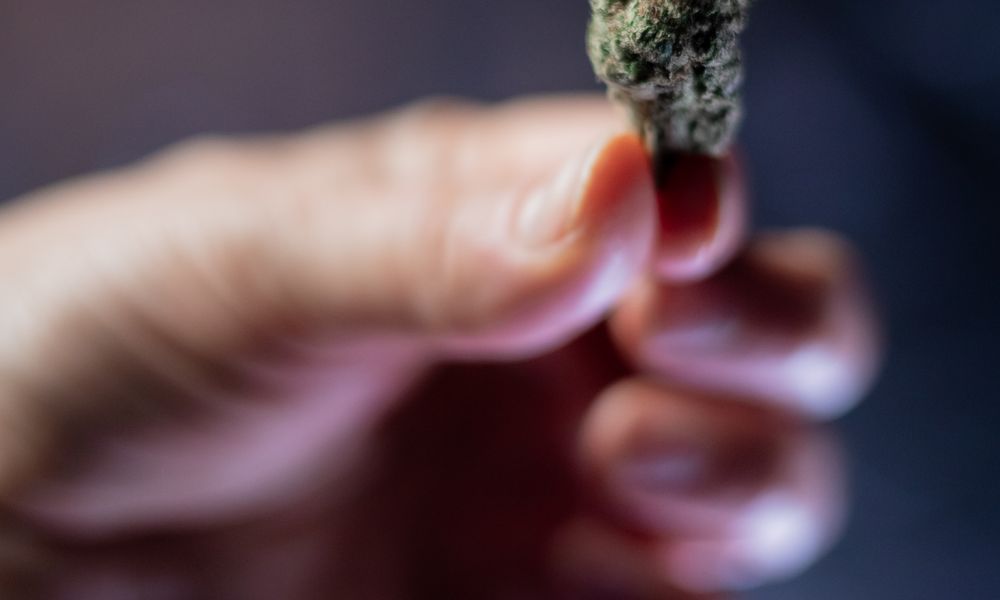
How aroma maps to likely effects
Your nose is doing real chemistry. The scent that hits you when you open a jar is the volatile terpenes evaporating, and that first impression is a legitimate signal. As a rough guide: earthy and musky tends toward relaxing, citrus tends toward uplifting, pine tends toward alert and clear, and floral tends toward calming. Peppery notes point to caryophyllene. None of this overrides dose or your individual response, but it gives you a hypothesis to test rather than a blind guess.
“The aroma is the plant telling you what is inside. Learning to read it is the difference between picking a strain and choosing one.”
How to read a terpene panel
More dispensaries now publish lab results, and a terpene panel is one of the most useful sections. Here is how to make sense of it without a chemistry background.
- Look at total terpene content first. Anything around 2 percent or higher is generally considered aromatic and rich; very low totals often mean a flatter, less expressive experience.
- Read the top two or three terpenes by percentage, not the full list. The dominant terpenes drive the character. A myrcene-led profile and a limonene-led profile will feel like different products even at the same THC.
- Match the dominant terpenes to your goal. Wind-down in the evening points you toward myrcene or linalool; daytime focus points toward limonene or pinene.
- Cross-check against the aroma in the room. If the label says limonene-dominant but the jar smells earthy and dank, ask the budtender. Fresh, well-stored flower should smell like its panel.
- Note the test date and lab. Terpenes are volatile and degrade with time, heat, and light, so an older harvest may smell and perform weaker than its panel suggests.
Terpenes evaporate and break down faster than cannabinoids. Keep flower in an airtight container, away from heat and direct light, and avoid leaving jars open. Protecting the aroma protects much of the experience.
Terpene profiles can shift how a given dose feels, but they do not make any product risk-free. If you are trying an unfamiliar strain, format, or a higher potency than usual, start with a low dose and wait before taking more. Do not drive or operate machinery while impaired.
Terpenes will not turn product selection into an exact science, and anyone promising that is overselling. What they will do is give you a vocabulary and a set of clues, your nose, the panel, the dominant compounds, that consistently outperform staring at a THC number. Over a few purchases you will start to notice which aromas suit which moments for you, and that personal map is more valuable than any chart.
Ready to put this into practice? Browse dispensaries in our directory, ask to see their lab panels, and pick a strain by its dominant terpenes instead of its THC number. Your next favorite might smell like lemon, pine, or fresh earth.
Found this helpful?
Share this article with fellow cannabis enthusiasts and travelers.
Continue Reading
 Science
THC vs. THCA: What Is Tetrahydrocannabinolic Acid?
They share a name and a molecular backbone, but THC and THCA couldn't be more different in how they affect your body. Here's the science behind decarboxylation and why it matters.
 Strains
The Complete Cannabis Strain Guide: Indica, Sativa & Hybrid Explained
Indica, sativa, hybrid — these labels are everywhere, but what do they actually mean? A deep dive into strain classifications, terpene profiles, and how to pick the right one.
 Science
CBD vs. THC: Understanding the Two Most Important Cannabinoids
CBD and THC are both cannabinoids from the same plant, but they interact with your body in fundamentally different ways. Here's what the research actually says.